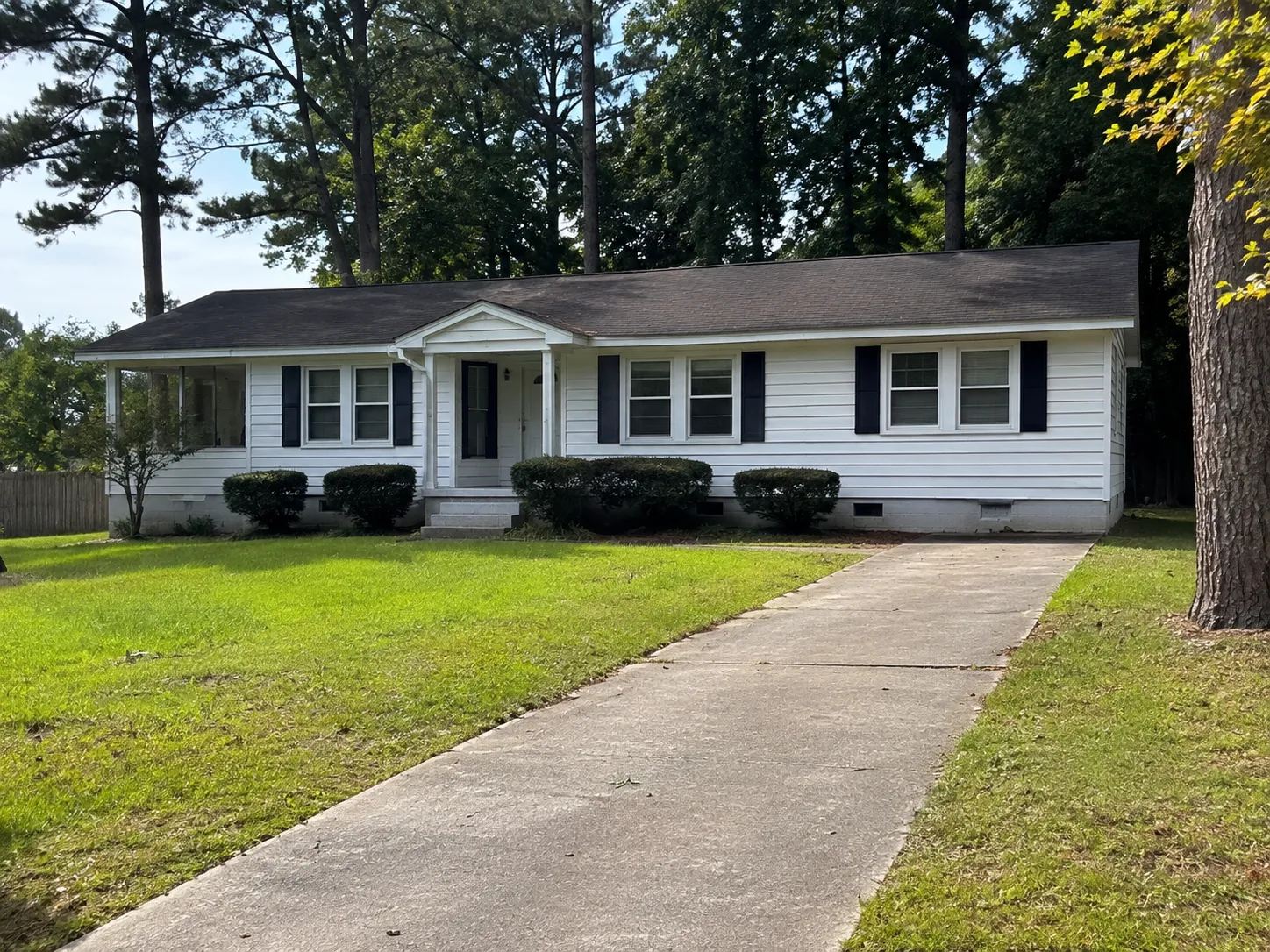
Owning a rental property can make sense for years and then stop working for you. A tenant may move out, repairs may start costing more than the rent supports, or you may simply be ready to use your time and money somewhere else. If you are trying to sell my rental property fast in Augusta, I Buy Georgia buys rental houses directly for cash, including occupied, vacant, and repair-heavy properties.
You do not have to renovate the house or wait for the perfect retail buyer. We are cash home buyers who purchase houses as-is, which can be useful when the rental has deferred maintenance, tenant damage, an older roof or HVAC system, or other work you do not want to complete before selling.
We buy rental properties throughout the CSRA, including Augusta, Hephzibah, Evans, Martinez, and Grovetown. We also work with rental owners in Aiken and North Augusta.
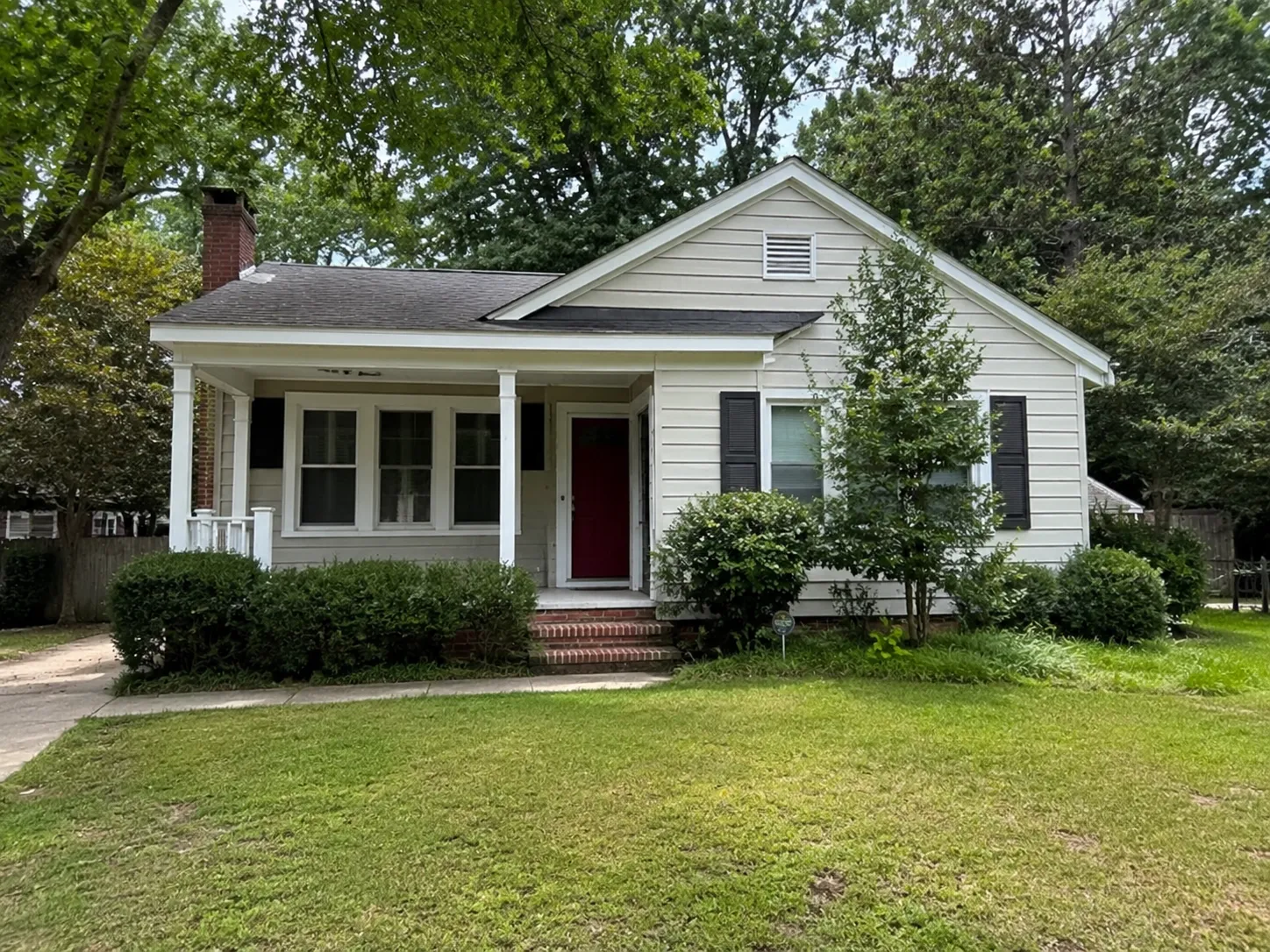
You can sell a rental property while a tenant is still living there, but the lease matters. Georgia’s Landlord-Tenant Handbook explains that a new owner is generally subject to an existing lease. That means an occupied rental can often be sold without forcing the tenant to move simply because ownership is changing.
A direct sale can also reduce the disruption caused by repeated showings. Instead of keeping a tenant-occupied property ready for buyers week after week, I Buy Georgia can review the house, the lease situation, and the property condition before making a cash offer.
Rental houses often show normal wear after years of occupancy, and some need much more. Flooring, paint, plumbing, roofing, HVAC equipment, appliances, landscaping, and tenant damage can turn a planned sale into a long repair project. You do not have to complete that work before asking us for an offer.
We buy houses as-is, including rentals with deferred maintenance or unfinished repairs. The condition of the property is considered when we evaluate it, so you can compare a direct cash sale against the cost and time required to renovate before listing.
Augusta has a substantial rental market. U.S. Census Bureau QuickFacts reports an owner-occupied housing rate of 50.8% in Augusta-Richmond County for 2020 through 2024, which means roughly half of occupied housing is renter-occupied. Median gross rent during that period was $1,142.
For a landlord, the important number is what remains after the mortgage, taxes, insurance, repairs, utilities, management, vacancy, and turnover expenses are paid. If those costs are eating into the return, selling the rental may be more useful than continuing to hold it.
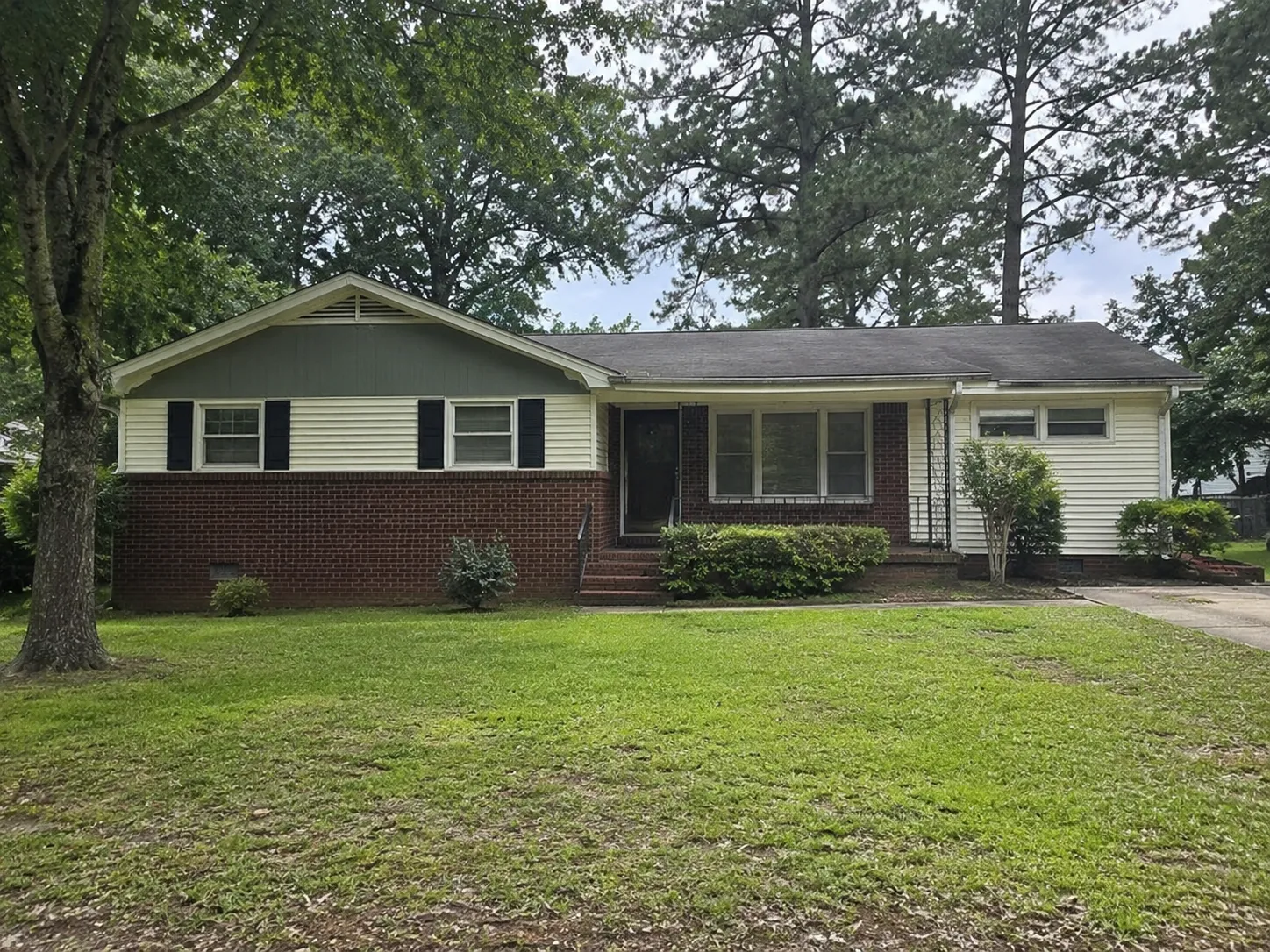
Rental owners sell for different reasons. Some have a good tenant but no longer want to be a landlord. Others are dealing with vacancies, unpaid rent, repeated maintenance, an inherited rental, or a property that needs more work than they want to fund. The condition of the house and the tenant situation can both affect which type of sale makes the most sense.
If you are comparing local options, we work with property owners searching for we buy houses Augusta GA, we buy houses Hephzibah GA, we buy houses Evans GA, we buy houses Martinez GA, and we buy houses Grovetown GA. We also buy properties in Aiken and North Augusta.
If a tenant is still in the property, we can discuss the lease and access before determining the next step. If the rental is vacant, damaged, or already cleaned out, we can evaluate it in its current condition. You do not need to make the property look like an owner-occupied retail listing before contacting us.
If you want to sell my rental property fast, tell us whether the house is occupied or vacant, what condition it is in, and the timeline you are considering. We can review the property and give you a cash offer without requiring repairs or a traditional listing.
Call (706) 749-6896 or fill out our online form to request an offer. If you are comparing Augusta cash home buyers, I Buy Georgia can help you evaluate a direct as-is sale.
Tell us what is going on and share the property address so we can help you choose the best next step.
We review condition and local market data, then provide a clear cash offer with no pressure.
We coordinate the paperwork and keep communication clear so decisions are easy.
Choose a close date that fits your timeline so you can move forward without delays.
Selling a rental property is different from selling the house you live in. You are not only deciding what the property is worth. You also have to consider the lease, security deposit, rent payments, tenant access, repairs, taxes, and the amount of income or expense the property creates every month.
Augusta has a large renter population. U.S. Census Bureau QuickFacts reports that 50.8% of occupied housing units in Augusta-Richmond County were owner-occupied during 2020 through 2024. That puts renter-occupied housing at roughly 49.2% of occupied units. Median gross rent was $1,142 during the same period. Rental property is a significant part of the local housing market, but that does not mean every rental continues to make sense for every owner.
A property that performed well several years ago may now need a roof, HVAC system, flooring, plumbing work, or a major turnover. Insurance and property expenses may have changed. A dependable tenant may have left. You may also have reached a point where you simply do not want to manage another lease term.
Yes, a rental property can be sold while tenants are living there. The important part is understanding the lease before deciding how the sale should be handled. Georgia’s Landlord-Tenant Handbook explains that new owners are generally subject to existing leases. A property sale does not automatically erase a valid lease simply because the name on the deed changes.
If you have a fixed-term lease, review the lease dates, rent amount, renewal provisions, access terms, and any language related to a property sale. If the tenant is renting under a tenancy-at-will, Georgia rules are different. The state’s handbook explains that a landlord generally must provide 60 days’ notice to terminate a tenancy-at-will, while the tenant generally provides 30 days’ notice before leaving.
This matters when deciding whether to sell occupied or vacant. You may not need to wait for a good tenant to leave before selling. In some situations, transferring an occupied rental to a buyer who understands the existing tenancy can be easier than ending the tenancy, preparing the property, and then starting a traditional listing.
Security deposits should be addressed as part of the sale paperwork. Georgia’s Landlord-Tenant Handbook states that when ownership changes, the former owner must either transfer the security deposit to the new owner, who then becomes responsible for it, or refund the deposit to the tenant.
Landlords should have clear records showing the amount held, the tenant associated with the deposit, the lease terms, and any required escrow information. If you are planning to sell a tenant-occupied rental, gathering those records before closing can prevent confusion for you, the buyer, and the tenant.
This is also one reason it helps to tell us about the tenancy when requesting an offer. A rental with a current lease, a month-to-month tenant, a delinquent tenant, or no tenant at all may require different planning even when the house itself is similar.
Not necessarily. An occupied sale and a vacant sale are both possible, but the right approach depends on the lease and your goals. If the tenant is paying on time and following the lease, keeping the tenancy in place may avoid vacancy, turnover costs, and the need to prepare the house between occupants.
If there are serious lease violations or unpaid rent, the situation is different. A property sale does not replace Georgia’s required landlord-tenant process. Owners dealing with a dispute should review the lease and follow the proper notice and court procedures. I Buy Georgia can still evaluate the property, but we do not recommend ignoring tenant rights or trying to remove someone outside the legal process.
Access is another practical issue. Georgia’s landlord guidance notes that the lease generally determines when a landlord may enter the rental. A traditional listing can require photographers, agents, inspectors, appraisers, contractors, and prospective buyers to visit. With an occupied rental, coordinating all of those appointments can be one of the more difficult parts of selling.
Rental maintenance is not limited to cosmetic work. An older property may need a roof, water heater, HVAC system, plumbing repairs, electrical work, flooring, exterior repairs, or damage cleanup before the next tenant moves in. A vacancy can make those costs more noticeable because there is no rent coming in while the work is being completed.
A traditional buyer may also ask for repairs after an inspection or have financing requirements tied to the condition of the house. If the property needs substantial work, that can create another round of spending before closing.
We buy houses as-is. You can request an offer before replacing worn flooring, repainting the interior, repairing tenant damage, or renovating an outdated kitchen. The offer will reflect the condition of the property, but you can compare that number with the money and time required to prepare the rental for a conventional sale.
A vacant rental still has expenses. Insurance, taxes, utilities, lawn care, pest control, maintenance, and mortgage payments can continue even when no tenant is paying rent. You may also have cleaning, advertising, screening, and turnover expenses before another tenant moves in.
Augusta-Richmond County’s median gross rent of $1,142 gives useful context for the local rental market, although the actual rent for any property depends on size, condition, location, utilities, and lease terms. What matters to the owner is net income after every property expense is included.
If you are keeping a rental mainly because you hope the next lease will improve the numbers, it can help to compare that possibility against an as-is sale now. The right answer depends on the property. A profitable, low-maintenance rental may be worth keeping. A house with repeated vacancies or large upcoming repairs may not be.
Some landlords decide to sell even when nothing dramatic has happened. The rent may simply produce too little return for the equity tied up in the house. Others are tired of managing calls, renewals, repairs, accounting, and turnovers. If the property has appreciated, you may prefer to use the equity somewhere else rather than continue managing the rental.
This is where a direct offer can be useful even if you do not accept it. It gives you another number to compare. You can look at expected future rent, upcoming repairs, management costs, vacancy risk, and the likely proceeds from selling. That makes the decision more concrete than simply wondering whether you should keep being a landlord.
A rental property sale can have different tax consequences from the sale of a primary residence. The IRS explains that depreciation reduces the property’s adjusted basis when calculating gain or loss. Depending on your ownership history and tax situation, part of the gain may also be affected by rules related to depreciation.
If you plan to sell one investment property and purchase another, a properly structured Section 1031 like-kind exchange may allow qualifying real estate investors to postpone recognition of some gain. The requirements are specific, so this is something to discuss with a CPA, tax attorney, or qualified intermediary before the sale is completed. Do not wait until after closing to ask whether an exchange was possible.
I Buy Georgia does not provide tax or legal advice. We can provide a cash offer for the property so you have a real sale number to review with the professionals who advise you.
At I Buy Georgia, the first step is learning about the rental. We want to know whether it is occupied, what kind of lease is in place, the general condition of the house, and what timeline you are considering. If the property is tenant-occupied, we can also discuss access before scheduling anything.
We review the property and make a cash offer based on its current condition and the local market. You do not need to renovate it first or stage it for buyers. Because the purchase is not dependent on a traditional buyer obtaining mortgage financing, there are fewer financing-related steps between an accepted offer and closing.
We can often close in as little as 10 business days once the title work and necessary paperwork are ready. If you need more time because of a lease, tenant transition, another investment purchase, or your own schedule, a later closing date may make more sense.
We work with rental property owners throughout Richmond County, Columbia County, and nearby South Carolina communities. That includes landlords who need to sell in Augusta, Hephzibah, Evans, Martinez, Grovetown, Aiken, and North Augusta.
If you have been searching for we buy houses or cash home buyers because you want to exit a rental, start by comparing the actual options for your property. Look at the lease, current rent, property condition, upcoming repairs, taxes, and how much time you are willing to keep managing the house.
You do not have to decide whether to keep or sell the property before contacting us. A cash offer gives you another piece of information to work with. You can compare the offer against the expected income from another lease term, the cost of repairs, and what you may receive through a traditional sale.
Call (706) 749-6896 or fill out our online form if you want to sell my rental property fast in Augusta or elsewhere in the CSRA. There is no obligation to accept the offer.

Written by
Property Solutions Specialist at I Buy Georgia
Jesus Casique works with I Buy Georgia as a Real Estate Solutions Advisor, helping support the team’s homeowner outreach, communication, and follow-up process. He is involved in making sure sellers get clear information, timely updates, and a smoother experience when exploring their options. With a practical, service-focused approach, Jesus helps homeowners feel more informed throughout the selling process, whether they are comparing a cash offer, dealing with a difficult property situation, or simply looking for a simpler way to move forward.
Yes. A rental property can be sold while a tenant is still living there. The first step is reviewing the lease so you know the tenancy terms, access requirements, rent amount, and lease expiration date. Georgia’s Landlord-Tenant Handbook explains that new owners are generally subject to existing leases, so selling the property does not automatically end a valid lease.
I Buy Georgia buys tenant-occupied rental properties as well as vacant rentals. If you want to sell my rental property fast, tell us about the tenant and lease when you request an offer so we can evaluate the property with the existing tenancy in mind.
Georgia’s Landlord-Tenant Handbook states that when a rental property changes owners, the former owner must either transfer the security deposit to the new owner, who becomes responsible for it, or refund the deposit to the tenant. Security deposit records should therefore be addressed as part of the sale paperwork.
If your Augusta rental is occupied, gather the lease, deposit amount, payment records, and any related tenant documentation before closing. This helps make the transfer clearer for the seller, buyer, and tenant.
No. Selling a tenant-occupied rental does not necessarily require removing the tenant first. A current lease may remain in place after the property changes ownership. If you have a tenancy-at-will and want the property vacant, Georgia’s landlord guidance generally requires the landlord to provide 60 days’ notice to terminate that tenancy.
If there are unpaid rent issues or lease violations, follow the proper Georgia notice and court process rather than trying to remove a tenant solely to make the property easier to sell. I Buy Georgia can evaluate an occupied property, so contact us before assuming the house has to be vacant.
Yes. We buy rental properties as-is, including houses with deferred maintenance, tenant damage, outdated interiors, roofing problems, HVAC issues, plumbing repairs, and other work that has not been completed. You do not need to renovate the property before requesting a cash offer.
This can be useful when you are deciding whether another turnover is worth the expense. Instead of paying for repairs first, you can compare our cash offer with the cost and time required to repair the rental and list it traditionally.
I Buy Georgia can often close in as little as 10 business days once the title work and necessary paperwork are ready. The actual timeline can depend on the property’s title, the lease, tenant access, and any other issues that need to be addressed before closing.
If you do not need the fastest possible closing, we can also discuss a later date. Some landlords need extra time to coordinate a tenant transition, organize records, or plan what they will do with the sale proceeds.
Selling a rental property can create tax consequences that differ from selling a primary residence. The IRS explains that depreciation reduces the adjusted basis used to calculate gain or loss, so your tax result may depend on the property’s purchase price, improvements, depreciation history, selling price, and other factors.
If you are considering a Section 1031 exchange into another investment property, speak with a CPA, tax attorney, or qualified intermediary before closing because the exchange has specific requirements and timing rules. I Buy Georgia can provide a cash offer for the rental, but we do not provide tax or legal advice.

Give us a call at (706) 749-6896 or fill out our form to get started.